
 See Our Latest Article on HelloNation
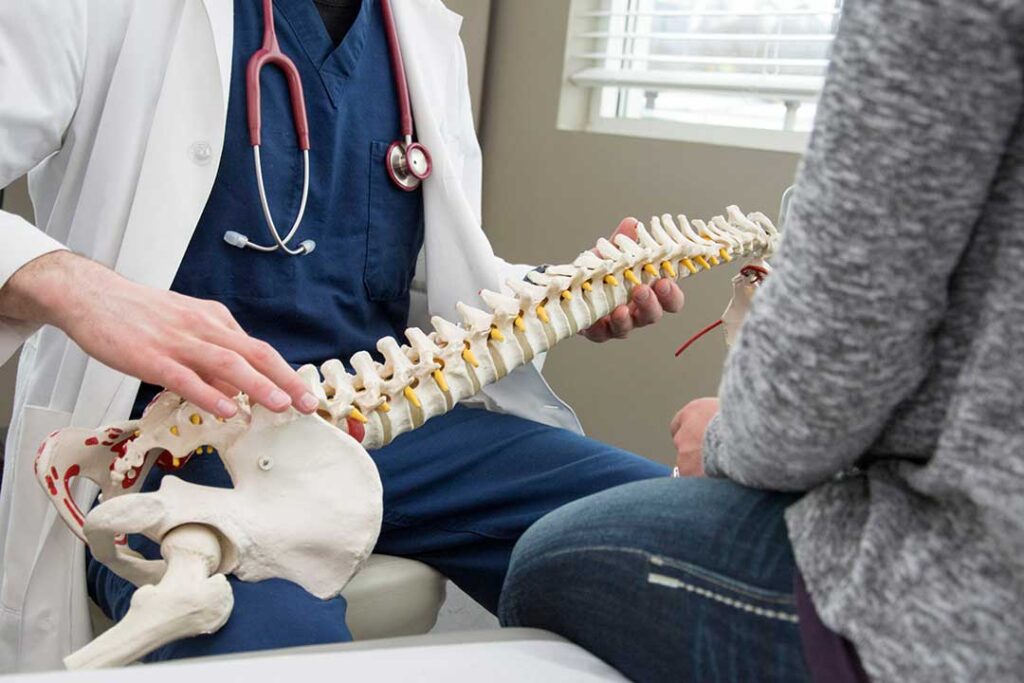
What Are Trigger Points and Why Do They Matter?
Trigger points are small, sensitive spots in muscle tissue that feel like knots. They form when muscle fibers contract and don’t fully relax, leading to localized tenderness and sometimes pain that travels (referred pain). Many residents of Haverstraw, NY notice them as tight, sore areas in the neck, shoulders, or back, especially after shoveling snow, yard work, or long commutes.
For most people, these points show up as aching sensations in spots where muscles are overused, underused, or injured. The feeling ranges from mild discomfort to significant pain, sometimes felt far from the actual trigger point.
What Causes Trigger Points to Develop?
Trigger points often result from muscle overload or repeated strain. In the local area, common causes include:
- Lifting heavy grocery bags or supplies up stairs or into cars during daily tasks
- Working at a desk or from home with suboptimal posture, especially during cold winters
- Sleeping in awkward positions due to drafty rooms or older bedding often found in historic local homes
- Repetitive motions—like raking leaves, shoveling, or DIY fixes around the house
Inactivity can be just as problematic as overuse. Sitting for long stretches, common during commutes or remote work in Haverstraw, can leave certain muscles underused and tight.
How Do Trigger Points Cause Pain Elsewhere?
A distinct feature of trigger points is referred pain. Local tenderness within the knot can send pain to areas that seem unrelated. For example, a trigger point in the upper back might cause headaches or tension in the temples.
Residents often misunderstand this, thinking the pain’s source is far from the problem area. An example: someone with shoulder trigger points might feel pain shooting down the arm after a weekend of yard work, even though the arm muscles aren't actually injured.
What Do Trigger Points Feel Like?
Most people describe trigger points as:
- A small, stiff bump or taut band within a muscle
- Soreness that may worsen with pressure or movement
- Aching or burning sensations, sometimes with a twitch if pressed
- Pain that lingers even after activity ends
Checking for these points is done by gently pressing on the muscle. If you feel a knot that’s more sensitive than the surrounding tissue, it’s likely a trigger point.
Are Trigger Points and Muscle Pain Common in the Community?
Muscle pain linked to trigger points is a frequent complaint among area households. Seasonal activities—like snow removal or gardening—can bring on flare-ups. In the colder months, local residents might notice more stiffness due to muscle tensing against the weather or being less active outdoors. Older housing stock in Haverstraw sometimes means unusual sleeping positions or older mattresses, contributing to overnight muscle strain.
What’s the Difference Between Trigger Point Pain and Other Muscle Conditions?
Trigger point pain is unique because:
- It is often focused in smaller, more defined spots within a larger muscle group
- Pressing the knot can reproduce the pain, and sometimes cause the muscle to twitch or contract
- The discomfort tends to linger and can resurface with certain movements or stress
Other muscle conditions, such as strains or sprains, usually have clearer origins (like an obvious injury or accident) and may affect entire muscle bellies or joints.
What Can Residents Do at Home for Relief?
Gentle self-care often helps soothe trigger points. Practical options for the local population include:
- Applying a warm compress or heated pad to the affected area, especially after coming in from the cold
- Performing gentle stretches that focus on the involved muscle groups
- Light massage or pressure using a foam roller or tennis ball (rolling against a wall works for hard-to-reach spots)
- Staying active without overloading the muscles—short walks in town, gentle movement on indoor days
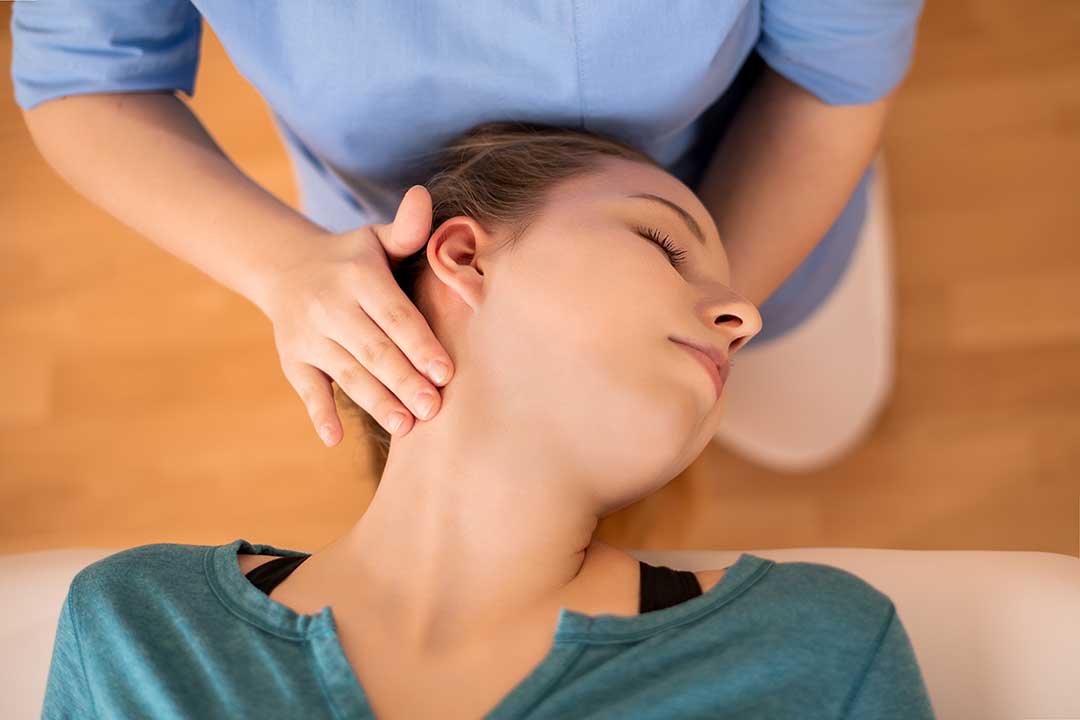
Simple home adjustments can also help, such as checking your posture while working from home or choosing supportive pillows to avoid neck tension.
When Should Local Residents Seek Further Help?
Most cases improve with basic care, hydration, and healthy movement. However, it’s important to ask for additional guidance if:
- Pain is severe, persistent, or interfering with daily activities
- There’s tingling, numbness, or weakness in the limbs
- Self-care doesn’t lessen the discomfort after a week or two
- There’s no clear reason for the pain, or a recent injury complicates recovery
These signs could indicate something more than simple muscle knots and may require further evaluation.
Common Misconceptions About Trigger Points
Area residents often believe that all muscle knots require deep, forceful massage or that rest alone will resolve the problem. In fact:
- Overly aggressive massage can worsen soreness or cause bruising
- Total rest sometimes prolongs muscle stiffness, especially in colder seasons
- Staying hydrated and maintaining gentle movement are often more effective for long-term relief
Understanding that trigger points are different from injuries helps households approach self-care more confidently.
Practical Tips for Preventing Muscle Pain in the Area
Simple, consistent habits can limit the impact of trigger points in Haverstraw:
- Regular breaks when doing repetitive chores—whether raking, shoveling, or home improvement projects
- Setting up home workspaces to support healthy posture
- Stretching gently before and after activities, not just athletic exercise
- Using appropriate clothing and gear to stay warm and limber during colder months
Most importantly, gradual changes in activity and awareness of your body’s response help minimize discomfort and support long-term mobility for all ages in the local community.
