
 See Our Latest Article on HelloNation
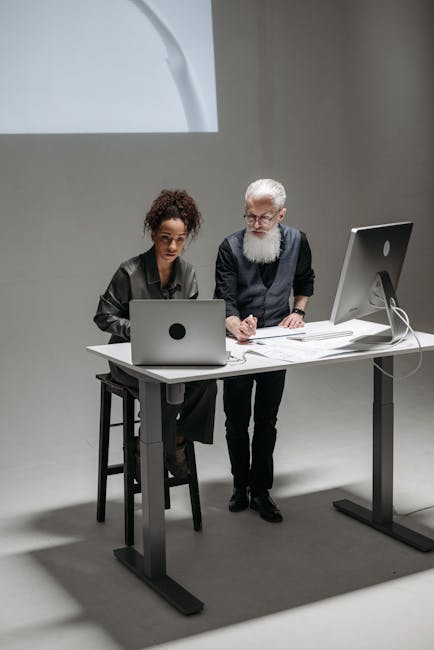
If you work at a desk in Haverstraw, NY, you’re not alone. Many residents in our Hudson River town commute to office jobs in nearby cities or work remote from home. While a desk job may seem low-impact, it can be the source of persistent aches, pains, and even serious musculoskeletal injuries over time. Recognizing and addressing desk job injuries early is essential to maintaining both your productivity and your quality of life.
Understanding Desk Job Injuries
Desk job injuries, often called “repetitive strain injuries” or “workstation-related injuries,” stem from prolonged periods of sitting, improper posture, and repetitive motions like typing or mouse use. Unlike more sudden injuries, these develop slowly, making them easy to ignore—until they start seriously impacting your daily life.
Common Desk Job Injuries
The most frequently reported issues among desk workers in Haverstraw include:
- Neck and shoulder pain
- Lower back pain
- Carpal tunnel syndrome
- Eye strain and headaches
- Hip tightness
These injuries are common because of the sedentary nature of desk jobs, coupled with poor ergonomic setups at home or in the office.
Why Desk Job Injuries Matter in Haverstraw
Haverstraw is a vibrant community with many residents commuting to work or working remotely in home offices. The peaceful views of the Hudson and scenic walks by the waterfront shouldn’t be marred by chronic pain. Left untreated, desk job injuries can lead to long-term physical limitations, lost productivity, and reduced enjoyment of our beautiful region’s outdoor offerings.
Signs You May Be Developing a Desk Job Injury
It’s crucial to recognize early warning signs. Pay attention if you experience:
- Persistent or nagging back, neck, or shoulder pain
- Tingling or numbness in the fingers or wrists
- Headaches at the end of the workday
- Stiffness when standing after long periods of sitting
- Difficulty maintaining focus due to discomfort
If you live in an older home typical of Haverstraw, improper desk placement or lack of space may contribute to less-than-optimal posture and exacerbate these injuries.
Practical Prevention Steps for Desk Workers in Haverstraw
Create an Ergonomic Workspace
- Use a chair that supports your lower back.
- Keep your feet flat on the floor and your knees at a right angle.
- Position your monitor at eye level to reduce neck strain.
- Ensure wrists are straight and elbows are close to your body when typing.
If your office or home workspace is limited—a common issue in Haverstraw’s historic houses—simple solutions like laptop stands and external keyboards can make a big difference.
Take Regular Breaks
Research shows even two minutes of movement every half hour can help. Set a timer to remind yourself to:
- Stand and stretch
- Walk around the house, yard, or office
- Gaze out the window at the Hudson, giving your eyes a break from screens
Adopt Healthy Habits
- Stay hydrated. Bring a reusable water bottle to your desk.
- Incorporate light exercise like walking in Bowline Point Park during lunch breaks.
- Use local wellness resources, such as yoga studios or walking groups, to stay flexible and strong.
Addressing Desk Job Injuries when They Occur
If preventive steps aren’t enough, early intervention is key.
Try At-Home Remedies
- Apply ice or heat to sore spots.
- Perform gentle stretches (targeting the neck, shoulders, and lower back).
- Consider ergonomic upgrades to your workspace.
When to Seek Professional Help
If pain persists beyond a week, interferes with daily tasks, or causes numbness or tingling, it’s time to consult a professional. A chiropractor, physical therapist, or occupational health specialist in Haverstraw can offer:
- Spinal adjustments for alignment and pain relief
- Personalized exercise regimens
- Ergonomic assessments
Chiropractors often see desk job-related complaints from local office workers, teachers, and remote employees alike, and can tailor treatment plans to fit the unique work setups common in our area.
Real Stories from Haverstraw: Desk Injuries Impacting Daily Life
Many Haverstraw residents love kayaking on the Hudson or hiking nearby trails after work. But desk job injuries can make these activities difficult. Early treatment means getting back to the activities you love—pain-free.
*Matt, a local graphic designer*: “I ignored stiffness in my lower back until it started affecting my kayaking weekends. A combination of chiropractic care and setting up a more comfortable workspace helped me get back on the water.”
*Susan, a remote tech worker*: “Once I started feeling numbness in my hand from typing, I sought help right away. Learning some stretches and adjusting my desk made a huge difference.”
Tips for Employers and Remote Workers
Employers in and around Haverstraw can help reduce desk injuries by:
- Offering ergonomic assessments
- Encouraging regular movement breaks
- Providing education on good posture
Remote workers should invest in a quality chair and consider converting a part of their home—like that well-lit bay window with a Hudson view—into a true workstation.
Embracing a Pain-Free Future in Haverstraw
By recognizing desk job injuries early and taking steps to prevent them, you protect your long-term health and make the most of Haverstraw’s active lifestyle. Don’t ignore pain—whether it’s a dull ache in your back or tingling in your wrists. Simple changes and prompt care can keep you working comfortably and enjoying all our town has to offer, from local coffee shops to waterfront activities.
If you notice symptoms or have questions about building a safer workspace, local health professionals are ready to help. Your well-being is worth investing in—so you can work, play, and thrive in beautiful Haverstraw, NY.
