
 See Our Latest Article on HelloNation
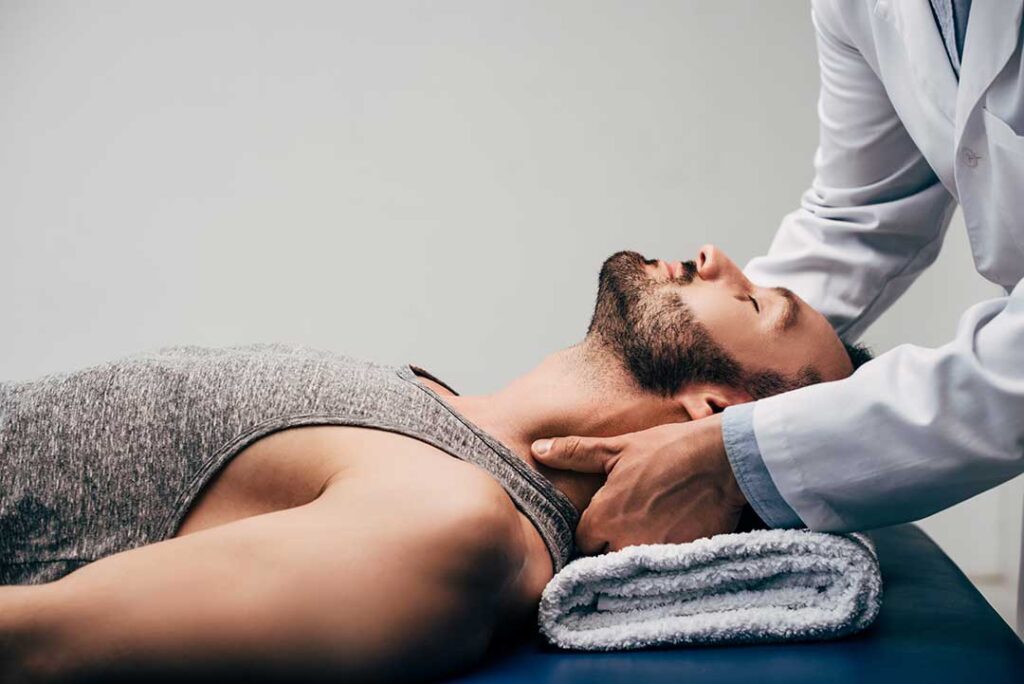
A clicking, popping, or grinding sound in the neck is often called crepitus. In many cases, the sound comes from normal joint movement, changes in pressure within the joint, or tendons and ligaments moving as the head turns. Clicking by itself is usually less concerning than clicking combined with pain, weakness, numbness, injury, or reduced movement. ([health.clevelandclinic.org](https://health.clevelandclinic.org/snap-crackle-pop-need-know-joint-noises?utm_source=openai))
What causes a clicking sound in the neck?
Most neck sounds have a mechanical explanation rather than a dangerous one. The neck contains small facet joints, muscles, tendons, ligaments, and discs that work together whenever the head moves.
Common causes include:
- Gas movement inside a joint: Changes in pressure can create or shift tiny gas pockets, producing a pop or crack.
- Tendons or ligaments moving: Soft tissues may glide over nearby bone and make a snapping or clicking sound.
- Joint surfaces changing with age: Cartilage and other joint structures may become less smooth over time, creating mild crackling or grinding.
- Muscle tightness: Tension from prolonged sitting, stress, or repetitive activity can change how the neck moves.
- Previous strain or injury: Whiplash, a fall, sports injury, or sudden lifting can affect movement patterns and make sounds more noticeable.
A person may notice clicking after spending hours at a computer, looking down at a phone, driving, or sleeping in an awkward position. Seasonal routines can also play a role: more indoor screen time during colder months or prolonged travel on congested roads may leave the neck stiff and more likely to produce sounds.
Is neck clicking without pain usually serious?
Clicking without pain, swelling, weakness, or loss of motion is commonly harmless. Some people hear a pop when rotating the head, while others notice a faint crunching sound during repeated movement. The sound alone does not necessarily mean the bones are rubbing dangerously or that the neck is “out of place.”
Occasional noise is different from a strong urge to repeatedly force the neck to crack. Forceful or frequent self-manipulation can strain muscles, irritate nerves, or contribute to joint instability. Very rarely, sudden forceful neck movement has been associated with injury to a vertebral artery, a blood vessel that supplies the brain. ([health.clevelandclinic.org](https://health.clevelandclinic.org/is-it-safe-to-crack-your-neck?utm_source=openai))
A useful rule is to pay attention to the whole pattern, not only the sound:
- Is there pain?
- Did the clicking begin after an injury?
- Is movement becoming limited?
- Are symptoms traveling into a shoulder, arm, or hand?
- Is the noise becoming frequent or progressively worse?
Can poor posture or daily habits make the sound more noticeable?
Yes. Posture does not usually create a serious neck disorder by itself, but it can increase muscle fatigue and alter how the joints move.
Common contributors include:
- Holding a phone below eye level for long periods
- Working at a screen that is too high or too low
- Sleeping with the neck sharply bent
- Carrying a heavy bag on one shoulder
- Repeating the same head or arm movement at work
- Remaining still for long periods while driving or sitting
A practical adjustment is to keep screens closer to eye level, support the upper back, and change position regularly. Gentle movement is generally preferable to repeatedly forcing the neck through a cracking motion. Mayo Clinic also lists posture, muscle tension, and physical exertion among common factors associated with neck discomfort. ([mayoclinic.org](https://www.mayoclinic.org/symptom-checker/neck-pain-in-adults-adult/related-factors/itt-20009075?utm_source=openai))
Does clicking mean arthritis?
Not necessarily. Clicking can occur in people without arthritis, and the sound alone cannot diagnose arthritis or another spinal condition.
Arthritis may become more likely when clicking occurs with persistent stiffness, pain, reduced range of motion, or symptoms that gradually worsen over time. However, imaging is not automatically needed for every painless neck sound. A clinician generally considers the person’s age, symptoms, history of injury, physical examination, and functional changes before deciding whether further evaluation is appropriate.
Neck cracking also does not automatically cause arthritis. The concern is more about repeated, forceful manipulation and possible strain or looseness in supporting tissues than about an occasional natural pop. ([health.clevelandclinic.org](https://health.clevelandclinic.org/is-it-safe-to-crack-your-neck?utm_source=openai))
When should someone in Haverstraw seek medical attention?
A clicking neck deserves medical evaluation when it is accompanied by symptoms that suggest irritation of a nerve, significant injury, infection, or another condition requiring prompt attention.
Seek urgent medical care for neck symptoms associated with:
- A car crash, fall, diving injury, or other significant trauma
- Severe or rapidly worsening pain
- Numbness, tingling, or weakness in an arm or leg
- Trouble walking, balance problems, or loss of coordination
- Pain that travels into the arm or leg
- Fever with a stiff neck
- Severe headache, confusion, dizziness, or unusual vision symptoms
- Loss of bladder or bowel control

These warning signs are more important than the clicking itself. Severe neck pain after trauma, limb weakness, fever, and neurological symptoms warrant prompt medical attention. ([mayoclinic.org](https://www.mayoclinic.org/symptom-checker/neck-pain-in-adults-adult/related-factors/itt-20009075?utm_source=openai))
What can be done at home for mild clicking?
If the clicking is occasional and not painful, simple measures may help reduce stiffness and make movement more comfortable:
- Move the neck gently through a comfortable range rather than holding it rigidly.
- Take brief movement breaks during computer work, phone use, or driving.
- Adjust the screen so the head is not constantly tilted down or extended upward.
- Use warmth for tight muscles; a wrapped cold pack may be useful after a minor strain.
- Review sleeping position and avoid pillows that force the neck sharply forward.
- Avoid deliberately twisting or pulling the neck to produce a crack.
- Keep a short record of when the sound occurs and whether pain, stiffness, or arm symptoms appear.
Gentle stretching should not cause sharp pain, electrical sensations, dizziness, or increasing symptoms. If it does, stop the activity and seek medical guidance.
What information helps during an evaluation?
A clear description can help distinguish ordinary joint noise from a problem needing further assessment. Note:
- When the clicking began
- Whether it occurs on one side or both
- Which movements trigger it
- Whether there was an injury or sudden change in activity
- Whether pain, headaches, numbness, tingling, or weakness are present
- Whether symptoms affect sleep, work, driving, or daily movement
For local residents, this may include describing long periods of sitting, winter indoor routines, commuting posture, household lifting, or recreational activity. The sound is only one part of the evaluation; the associated symptoms and changes in function provide more useful information.
