
 See Our Latest Article on HelloNation

What Is a Spinal Adjustment?
A spinal adjustment, also known as spinal manipulation, involves targeted movements applied to the spine to improve its function and alleviate discomfort. Most often performed by trained professionals, these manual techniques are used to help restore normal mobility to spinal joints that may have become restricted due to injury, repetitive stress, or inflammation.
Locally, area households often ask about spinal adjustments as part of a broader interest in non-pharmacological approaches to back or neck pain. The precise methods and the science supporting them can help residents make informed decisions about their spine health.
How Does a Spinal Adjustment Work in the Body?
Spinal adjustments work by influencing the nervous system, muscle function, and joint health. The main goal is to restore normal motion to vertebrae that are not moving properly, which can help relieve surrounding nerve and soft tissue irritation.
The science suggests three main mechanisms at play during an adjustment:
- Mechanical: The movement stretches muscles and ligaments around spinal joints, sometimes releasing a small gas bubble (the “pop” sound), which can reduce pressure inside the joint.
- Neurological: Adjustments may help reset nerve signals, potentially reducing pain and muscle tension in the area.
- Circulatory: Improved joint movement may allow better blood flow and nutrient delivery to the affected tissues.
Research continues in this field; studies have shown positive effects on acute low back pain and some other musculoskeletal issues, though responses vary from person to person.
What Does the Research Say About Safety and Effectiveness?
Overall, spinal adjustments are considered safe when performed by individuals trained in anatomy and manual techniques. Most side effects are minor, such as temporary soreness in the treated area, similar to what some feel after exercise.
For many local residents, particularly those experiencing bouts of back stiffness or discomfort common in households with active lifestyles or jobs that involve repetitive lifting, adjustments are a frequently discussed option.
Clinical guidelines generally support spinal manipulation as an option for acute low back pain and certain types of neck pain. However, chronic, severe, or radiating pain—such as pain traveling down a leg—may require a more comprehensive medical evaluation.
What Happens During a Typical Adjustment?
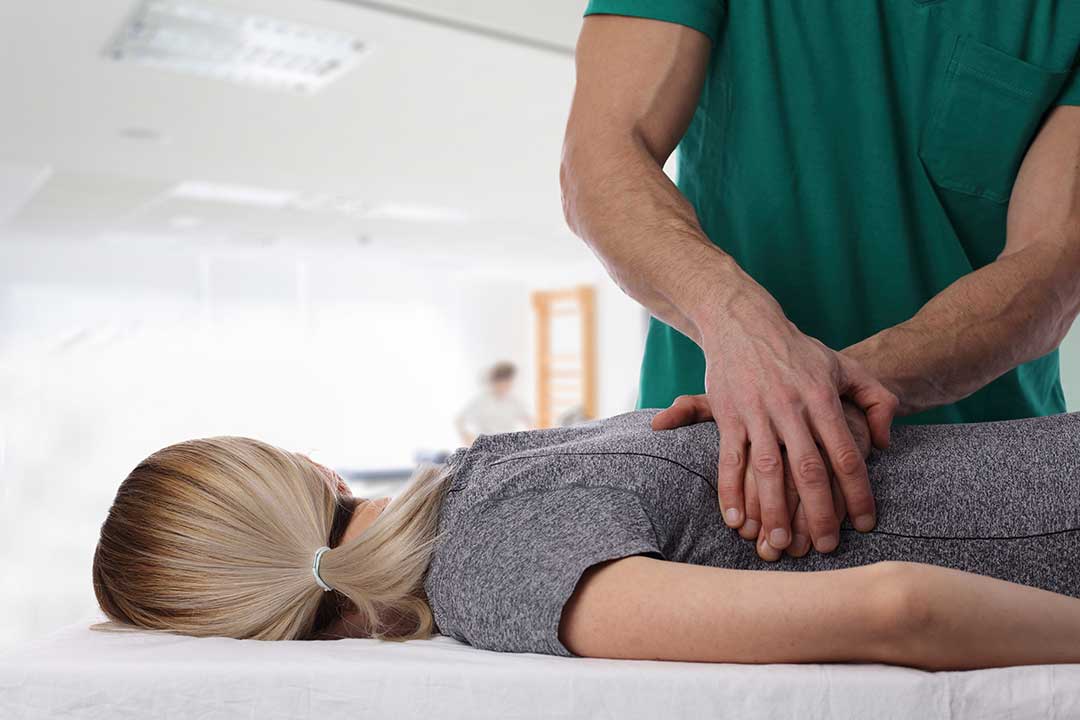
A standard adjustment involves specific hand placements or a specialized table to direct a quick, controlled force to a spinal joint. This is designed to help the joint move more freely.
Residents sometimes wonder about the “cracking” sound. This noise isn’t bones actually moving out of place, but rather a release of gas from the joint as pressure changes—similar to the sound made when opening a soda can.
There is no “one-size-fits-all” method. Techniques and the number of sessions may be adapted based on a person’s age, overall health, and specific spinal findings.
Can Spinal Adjustments Help Common Local Concerns?
People in the city often ask whether seasonal activities, like gardening in spring or shoveling in winter, can contribute to the spinal problems adjustments aim to help address. Lifting, twisting, and prolonged awkward postures—common in local daily life—can cause the spine’s joints to become restricted.
Spinal adjustments can sometimes provide relief for:
- Lower back pain from shoveling snow
- Neck stiffness after long hours commuting or working at a desk
- Discomfort from carrying heavy objects or repetitive home maintenance tasks
It’s important to identify the true source of the pain, as some problems require different interventions or more comprehensive care.
Are There Risks or Misconceptions Local Residents Should Know About?
A common misconception is that spinal adjustments “cure” all forms of back pain. In reality, these methods may temporarily reduce symptoms associated with simple mechanical restrictions but are not a solution for every underlying condition.
Spinal adjustments are not appropriate for everyone. People with certain health conditions—such as severe osteoporosis, spinal fractures, or signs of nerve damage (like leg weakness or loss of bowel control)—should avoid them. Residents with these symptoms should seek prompt medical attention.
Most adverse events after a spinal adjustment are mild and resolve within a day or two. Serious complications are uncommon when care is delivered by a qualified professional.
What Does the Science Say About Long-Term Benefits?
Evidence supporting long-term use of adjustments for chronic conditions is mixed. For some, periodic spinal care may support flexibility and comfort as part of a broader health plan. However, results can vary depending on the cause of discomfort, the individual’s lifestyle, and participation in complementary strategies such as exercise and ergonomic changes at home.
Many local residents find that a thoughtful approach—combining movement, posture improvements, and safe manual techniques—fits naturally into routines shaped by the region’s seasons and typical home activities.
How Can Residents Support Spine Health Day-to-Day?
While spinal adjustments may offer relief for certain conditions, prevention plays a major role in community well-being. Some everyday practices that can support healthy spinal joints include:
- Using proper lifting techniques during yard work or household chores
- Avoiding prolonged sitting by taking movement breaks
- Stretching regularly to maintain natural joint motion
- Ensuring proper posture at home workstations
By understanding how spinal adjustments work and their role in managing discomfort, local residents can make informed choices about the strategies they use to care for their spines, whether dealing with the aftermath of a tough winter or the demands of a busy home routine.
