
 See Our Latest Article on HelloNation
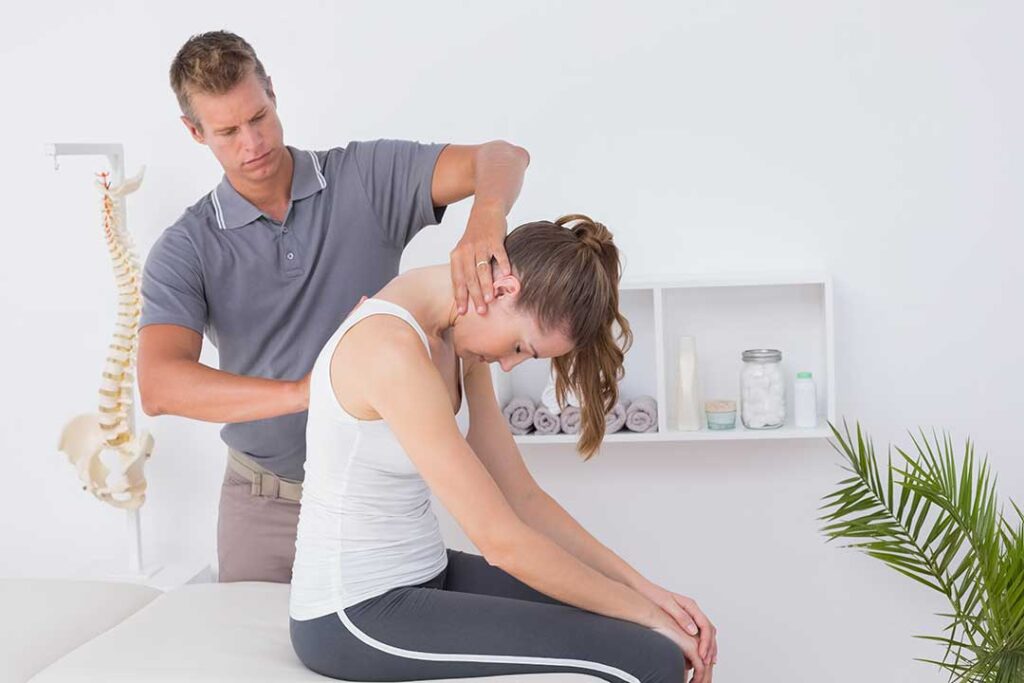
Mobility is the ability to move through daily life with reasonable comfort, control, strength, and balance. For residents of Haverstraw, NY, improving mobility may mean walking more comfortably, getting up from a chair, using stairs, carrying groceries, gardening, or keeping up with household responsibilities.
Natural approaches can help, especially when they are gradual and consistent. Mobility is rarely improved by stretching alone. Stronger muscles, better balance, regular movement, adequate recovery, and a safer home environment all contribute.
What can naturally improve mobility?
The most reliable approach combines several types of physical activity: walking or other aerobic movement, strength training, flexibility exercises, and balance practice. These activities support different parts of movement and work better together than relying on a single routine. ([nia.nih.gov](https://www.nia.nih.gov/health/four-types-exercise-can-improve-your-health-and-physical-ability?utm_source=openai))
A practical weekly plan may include:
- Walking or another moderate activity on most days
- Strength exercises at least two days per week
- Gentle flexibility work after warming up
- Balance exercises several times per week, especially for older adults
The goal is not to exercise as hard as possible. The goal is to make ordinary movement easier and more controlled.
How does walking help mobility?
Walking is a useful starting point because it trains endurance, coordination, leg strength, and balance at the same time. It can also be adjusted for different ability levels.
Someone who is inactive may begin with five- or ten-minute walks, then add a few minutes every several days if symptoms remain manageable. Walking indoors may be more comfortable during icy winter conditions, heavy rain, or very hot weather. On safer outdoor days, sidewalks, quiet residential streets, and other familiar routes can provide variety without requiring a demanding workout.
A moderate pace usually means breathing and heart rate become noticeably faster while conversation remains possible. Adults are generally advised to work toward at least 150 minutes of moderate activity per week, but shorter sessions still provide benefits, particularly when a person is starting from a low activity level. ([cdc.gov](https://www.cdc.gov/physical-activity-basics/health-benefits/adults.html?utm_source=openai))
Why is strength training important for mobility?
Strength supports nearly every functional movement, including standing, climbing steps, lifting objects, and recovering balance after a stumble. Weakness in the hips, thighs, abdomen, or back can make movement feel unstable even when flexibility is adequate.
Beginner-friendly exercises may include:
- Sitting down and standing up from a sturdy chair
- Wall push-ups
- Heel raises while holding a counter
- Step-ups on a low, stable step
- Leg extensions while seated
- Resistance-band exercises
Start with a small number of repetitions and focus on smooth control. The exercise should feel challenging but not sharply painful. As strength improves, resistance or repetitions can increase gradually. Muscle-strengthening activity is recommended at least two days each week for adults. ([cdc.gov](https://cdc.gov/physical-activity-basics/guidelines/adults.html?utm_source=openai))
Can stretching increase range of motion?
Stretching can help maintain or improve flexibility, but it works best when muscles are already warm. A brief walk, gentle marching in place, or slow arm movements can prepare the body.
Useful areas to address may include the calves, hamstrings, hips, chest, shoulders, and upper back. Hold a mild stretch without bouncing, breathe normally, and stop before the sensation becomes painful. Stretching should create gentle tension, not numbness, tingling, or a sharp pulling sensation.
Flexibility is valuable because it supports tasks such as reaching overhead, turning to look behind the body, bending to put on shoes, and getting in or out of a vehicle. The National Institute on Aging advises stretching after muscles are warmed and avoiding positions that hurt. ([nia.nih.gov](https://www.nia.nih.gov/health/four-types-exercise-can-improve-your-health-and-physical-ability?utm_source=openai))
How do balance exercises support safer movement?
Balance training helps the body respond to changes in position and uneven surfaces. It may be particularly useful for people who feel unsteady, avoid stairs, or have experienced a fall or near-fall.
Safe examples include:
- Standing near a sturdy counter and briefly lifting one foot
- Walking slowly heel-to-toe along a clear path
- Practicing controlled sit-to-stand movements
- Shifting weight gently from side to side
- Performing slow leg movements while holding support
Keep a wall, counter, or sturdy chair nearby. Balance exercises should not be performed on slippery floors or when someone is fatigued. Tai chi and certain forms of yoga may combine balance, flexibility, and strength, but movements should be modified for the individual. ([nia.nih.gov](https://www.nia.nih.gov/health/four-types-exercise-can-improve-your-health-and-physical-ability?utm_source=openai))
What daily habits can reduce stiffness?
Long periods of sitting can make the first few steps feel difficult. A simple movement break every 30 to 60 minutes may help. Stand up, walk around the room, roll the shoulders, or gently move the ankles and knees.
Other helpful habits include:
- Changing positions instead of remaining seated for several hours
- Using both hands when carrying a heavier object
- Keeping frequently used items between shoulder and waist height
- Turning the whole body instead of twisting suddenly
- Wearing stable footwear with adequate traction
- Warming up before yardwork, snow removal, or other strenuous tasks
Seasonal conditions can affect how people move. Cold temperatures may increase the feeling of stiffness, while wet leaves, ice, and uneven pavement can raise fall risk. Planning demanding chores for daylight hours, taking breaks, and clearing walking paths can make activity safer.
Does nutrition, sleep, or body weight affect mobility?
Mobility depends on more than joints and muscles. Adequate sleep supports recovery, while sufficient protein and overall nutrition help maintain muscle tissue. Hydration also matters, particularly during warm weather or prolonged activity.
For some people, reducing excess body weight can lessen stress on weight-bearing joints. However, weight should not be the only measure of progress. Improvements such as walking farther, standing more easily, or needing fewer rest breaks are meaningful signs of better function.
Physical activity may also help people manage arthritis symptoms. The CDC recommends starting slowly, increasing activity gradually, and paying attention to how the body responds. ([cdc.gov](https://www.cdc.gov/arthritis/prevention/index.html?utm_source=openai))
When should mobility problems be evaluated?
New or worsening mobility limitations should not automatically be treated as normal aging. Evaluation is especially appropriate after a fall, injury, or sudden change in walking ability.
Seek prompt medical attention for mobility problems accompanied by:
- New weakness or numbness, particularly on one side
- Loss of bladder or bowel control
- Severe or rapidly worsening pain
- Chest pain, fainting, or unusual shortness of breath
- An inability to bear weight
- A hot, red, or significantly swollen joint
- Fever with severe joint or muscle symptoms
People with heart disease, diabetes, uncontrolled blood pressure, osteoporosis, a recent surgery, or a known neurological condition may need individualized exercise guidance. A healthcare professional or physical therapist can help adapt movements when pain, weakness, or balance limitations make general exercises unsafe. ([niddk.nih.gov](https://www.niddk.nih.gov/health-information/weight-management/healthy-eating-physical-activity-for-life/health-tips-for-older-adults?utm_source=openai))
The most useful mobility routine is one that can be repeated safely. A few minutes of walking, controlled strengthening, gentle stretching, and balance practice can build a foundation for moving more confidently through everyday life.
