
 See Our Latest Article on HelloNation
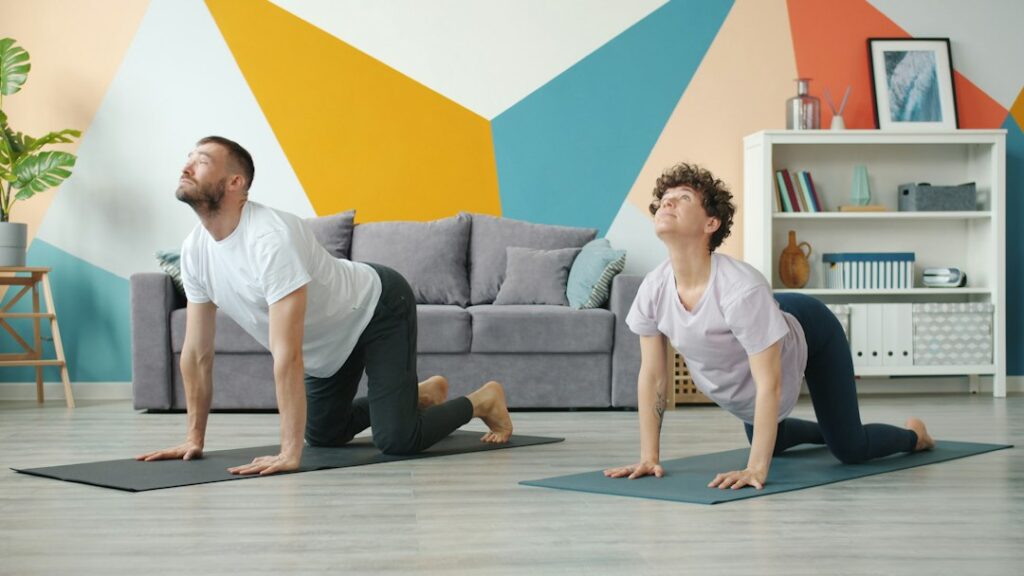
A strong core helps the spine handle everyday movement with better control. The muscles of the abdomen, back, hips, and pelvis work together to support posture, balance, lifting, walking, and changes in position.
For residents of Haverstraw, core strength can be especially practical during activities such as carrying groceries, climbing stairs, shoveling snow, gardening, commuting, or moving through homes with limited space. Core conditioning is not only about appearance or athletic performance. It is about helping the body distribute physical demands more efficiently.
What does “core strength” actually mean?
Core strength is the ability of the muscles around the trunk and pelvis to support the spine and control movement. This includes more than the visible abdominal muscles.
Important contributors include:
- The deep abdominal muscles
- The muscles along the spine
- The diaphragm, which assists with breathing and pressure control
- The pelvic floor muscles
- The hips and buttocks
- Muscles that connect the ribs, pelvis, and lower back
A healthy core does not need to be rigid at all times. The goal is controlled movement. The trunk should be able to brace when needed, relax during ordinary activity, and adjust as the body bends, reaches, turns, or carries weight.
How does core strength support the spine?
Core muscles help stabilize the spine while the arms and legs move. For example, carrying a laundry basket requires the trunk to resist bending and twisting. Walking on uneven ground requires the hips and pelvis to help keep the body balanced. Rising from a chair requires coordinated control through the abdomen, back, and legs.
This support may reduce unnecessary strain on spinal joints, discs, ligaments, and surrounding muscles. It can also improve movement efficiency, meaning the body may complete a task with less compensatory tension.
Core strength may support:
- Better balance and body awareness
- More controlled lifting and reaching
- Improved posture during sitting and standing
- Greater tolerance for walking and household activities
- Lower risk of some activity-related back injuries
A strong core cannot prevent every spinal problem. Back pain may also involve arthritis, disc changes, nerve irritation, an injury, sleep problems, stress, or other health conditions. Exercise should be viewed as one part of spinal health rather than a complete explanation or cure.
Can core exercises help with back pain?
They can help some people, particularly when exercises are introduced gradually and matched to the person’s symptoms and abilities. Structured exercise is included among recommended non-surgical approaches for chronic primary low back pain, although no single exercise program works equally well for everyone.
Core exercises may improve trunk control, strength, endurance, and confidence with movement. These changes can make routine activities easier even when some discomfort remains.
A common misconception is that back pain always requires complete rest. For many types of uncomplicated low back pain, avoiding all movement can lead to stiffness and reduced conditioning. Gentle activity, short walks, and carefully chosen strengthening exercises are often more useful than prolonged inactivity.
However, pain that is severe, rapidly worsening, or accompanied by other symptoms requires medical attention rather than an exercise experiment.
Which exercises are reasonable starting points?
The best starting exercises are usually simple movements that can be performed with steady breathing and good control. Examples include:
- Abdominal bracing: Lie on the back with knees bent, gently tighten the abdominal muscles without holding the breath, and maintain the position for several breaths.
- Bridge: From the same position, press through the feet and slowly lift the hips while keeping the ribs and pelvis controlled.
- Bird dog: From hands and knees, extend one arm and the opposite leg only as far as the trunk can remain stable.
- Modified side plank: Support the body on a bent knee and forearm, keeping the hips aligned.
- Sit-to-stand: Rise from a firm chair while keeping the feet grounded and the trunk controlled.
- Walking: Regular walking builds general endurance and encourages coordinated movement through the trunk, hips, and legs.

The purpose is not to perform the hardest variation. A useful exercise is one that can be repeated consistently without causing a meaningful increase in symptoms later that day or the following morning.
How often should someone train the core?
Many adults can begin with two or three short sessions per week, using one or two sets of controlled repetitions or brief holds. Walking or other comfortable physical activity can be added on most days.
Progress should be gradual. Increase only one factor at a time, such as repetitions, hold duration, resistance, or exercise difficulty. Someone who has been inactive for months may benefit from starting with five- to ten-minute periods rather than attempting a demanding workout.
Consistency matters more than intensity. A short routine performed regularly is generally more practical than an exhausting session followed by several days of soreness.
What local habits can affect spinal health?
Seasonal conditions can change how much strain the back experiences. Cold weather may lead to more time indoors, less walking, and increased stiffness. Snow removal, carrying wet clothing, lifting storage containers, and prolonged sitting during travel or work can place sudden demands on the trunk.
Preparation helps. Before strenuous tasks, a few minutes of easy walking and gentle movement can raise body temperature. During lifting, keep the load close, turn with the feet instead of twisting through the waist, and divide heavy or awkward loads into smaller amounts when possible.
Home setup also matters. Repeatedly bending over low surfaces, working at a poorly positioned desk, or sitting for long periods without changing position can challenge the back even in someone who exercises regularly.
What should someone do if an exercise causes pain?
Mild muscle fatigue is different from sharp, escalating, or radiating pain. Stop an exercise if it causes new numbness, weakness, loss of coordination, significant leg symptoms, dizziness, chest discomfort, or severe pain.
Urgent medical evaluation is appropriate for back pain accompanied by loss of bladder or bowel control, numbness around the groin, major leg weakness, fever, unexplained weight loss, or pain after a serious fall or collision.
For ongoing symptoms, the exercise should be modified rather than forced. A qualified healthcare provider can help determine whether the problem is related to movement tolerance, nerve irritation, joint limitations, an injury, or another condition. A personalized program is particularly important for older adults, people recovering from surgery, and those with osteoporosis or significant medical conditions.
Core strength is most useful when combined with regular movement, adequate sleep, sensible lifting habits, and attention to symptoms. The aim is not to keep the spine perfectly still. It is to help the body move with enough strength, control, and adaptability for the demands of everyday life.
