
 See Our Latest Article on HelloNation
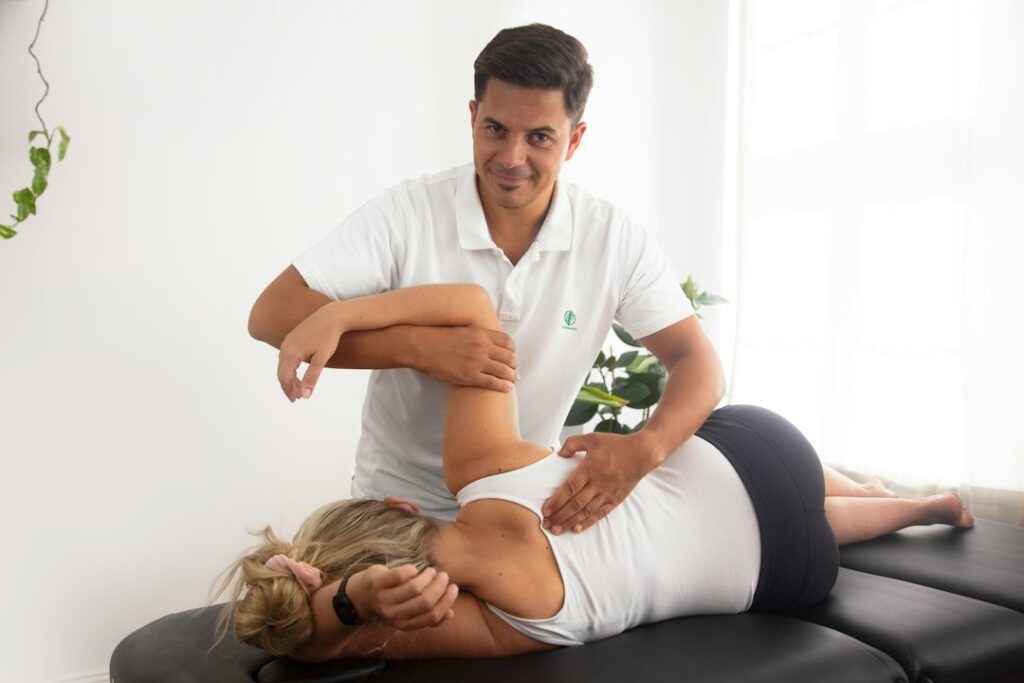
Morning stiffness is common, especially after several hours in one position. A short routine of slow, comfortable movements can help loosen the hips, back, shoulders, and legs before the day’s walking, driving, lifting, or household tasks begin.
Stretching should create a mild pulling sensation, not sharp pain. The goal is to restore comfortable movement—not to force flexibility or “crack” the back.
Why does the body feel stiff after waking?
Overnight, the body stays relatively still for an extended period. Muscles and joints may feel less mobile when you first get up, particularly after an unusually active day, a long period of sitting, or sleeping in an unfamiliar position.
Cool morning temperatures may also make stiffness feel more noticeable in winter. That does not necessarily mean there is an injury, but persistent or worsening symptoms deserve attention.
A few minutes of gentle movement can help by:
- Increasing circulation to muscles
- Gradually moving the spine and joints through a comfortable range
- Reducing the feeling of tightness in the hips and legs
- Preparing the body for walking, stairs, commuting, or physical work
- Making it easier to notice which movements feel restricted
Stretching is not a guaranteed solution for every cause of pain. It is most useful as one part of a broader approach that may also include regular walking, strength exercises, adequate sleep, and adjustments to prolonged sitting or lifting habits.
What is a safe morning stretching routine?
A safe routine begins with easy movement rather than deep stretching. Move slowly, breathe normally, and stop before discomfort becomes pain.
1. Gentle breathing and shoulder movements
Sit on the edge of the bed or stand with both feet supported. Take three slow breaths. As you inhale, allow the shoulders to rise slightly; as you exhale, let them relax.
Next, roll the shoulders gently backward five times and forward five times. Keep the movement small if the neck or upper back feels tight.
This is a useful first step because it helps reduce tension without placing significant stress on the spine.
2. Ankle pumps and circles
Before standing, extend one leg slightly or keep both feet supported on the floor. Point the toes away, then draw them back toward the shins. Repeat 10 times on each side.
Then make five slow ankle circles in each direction.
These movements can be especially practical before walking on cold, wet, or uneven surfaces. They also help wake up the lower legs after a night of limited movement.
3. Seated hip stretch
Sit near the edge of a stable chair with both feet on the floor. Place one ankle over the opposite knee only if that position feels comfortable. Keep the back relatively straight and lean forward slightly from the hips until a mild stretch is felt in the outer hip or buttock.
Hold for 15 to 30 seconds, then switch sides. Do not press down on the raised knee or round forcefully through the back.
If crossing the legs is uncomfortable, keep both feet on the floor and gently shift the hips backward while maintaining a tall, relaxed posture.
4. Knee-to-chest movement
Lie on the back with the knees bent and feet supported, or perform this movement on a firm bed if getting onto the floor is difficult. Slowly bring one knee toward the chest using the hands behind the thigh—not by pulling hard on the knee.
Hold for 10 to 20 seconds, return the foot to the surface, and repeat with the other leg. If comfortable, both knees may move toward the chest, but this should never cause back pain, groin pain, or breath-holding.
A smaller range is appropriate if the lower back feels sensitive.
5. Pelvic tilts
Remain on the back with the knees bent. Gently tighten the abdominal muscles and flatten the lower back toward the surface without pushing forcefully. Release and allow the natural curve to return.
Repeat five to 10 times with slow breathing.
This is not a hard abdominal exercise. The movement should be subtle. It is intended to help the pelvis and lower back transition from rest to activity.
6. Cat-cow movement
If getting onto the floor is comfortable, begin on the hands and knees with the hands under the shoulders and knees under the hips. Slowly round the back while allowing the head to relax, then gently move toward a flatter back while looking slightly ahead.
Repeat five to eight times. Avoid dropping the stomach forcefully or pushing into a painful range.
For people who do not want to kneel, a similar movement can be performed standing with both hands on a counter: gently round the upper back, then return to a neutral position.
7. Standing side reach
Stand with the feet about hip-width apart and hold a wall or counter if balance is limited. Raise one arm only as high as comfortable and lean slightly to the opposite side.
Hold for 10 to 15 seconds, then switch sides. Keep the ribs and hips facing forward rather than twisting.
This stretch can be helpful after sleeping curled on one side or spending the previous day carrying items on one side of the body.

Should stretching happen before or after getting out of bed?
Either option can work, but the first movements should be the gentlest. People who feel dizzy, unsteady, or particularly stiff may prefer starting seated with ankle pumps, breathing, and shoulder rolls before standing.
After standing, a brief walk around the room can warm the body before deeper stretches. Stretching cold muscles aggressively is more likely to cause irritation than gentle mobility work.
A morning routine does not need to last 30 minutes. Five to 10 minutes performed consistently is often more practical than an ambitious routine that is uncomfortable or difficult to maintain.
What common stretching mistakes should be avoided?
Several habits can make morning stiffness worse:
- Bouncing or jerking into a stretch
- Holding the breath
- Stretching through sharp, electric, or burning pain
- Pulling forcefully on the head, neck, knees, or feet
- Twisting the spine quickly after waking
- Remaining in bed for a long time because movement feels mildly uncomfortable
- Repeating a stretch that consistently increases symptoms later in the day
A stretch should feel controlled and repeatable. If the body feels worse for hours afterward, reduce the range, shorten the hold, or leave that movement out.
When is morning pain a reason to seek medical evaluation?
Mild stiffness that improves with gradual movement is often manageable at home. Medical evaluation is more appropriate when pain is severe, persistent, or associated with other symptoms.
Seek prompt medical attention for back pain accompanied by:
- New weakness, numbness, or tingling in a leg
- Loss of bladder or bowel control
- Numbness around the groin or inner thighs
- Fever or unexplained weight loss
- Pain after a significant fall or collision
- Severe pain that does not improve with rest or gentle movement
- Symptoms that steadily worsen rather than settle
People with osteoporosis, recent surgery, a known spinal condition, inflammatory disease, or a new injury should use individualized guidance rather than adopting a general stretching routine.
The most useful morning routine is gentle enough to repeat, specific enough to address actual stiffness, and flexible enough to change when symptoms change. A few controlled movements can prepare the body for the demands of the day without turning stretching into a test of endurance.
