
 See Our Latest Article on HelloNation
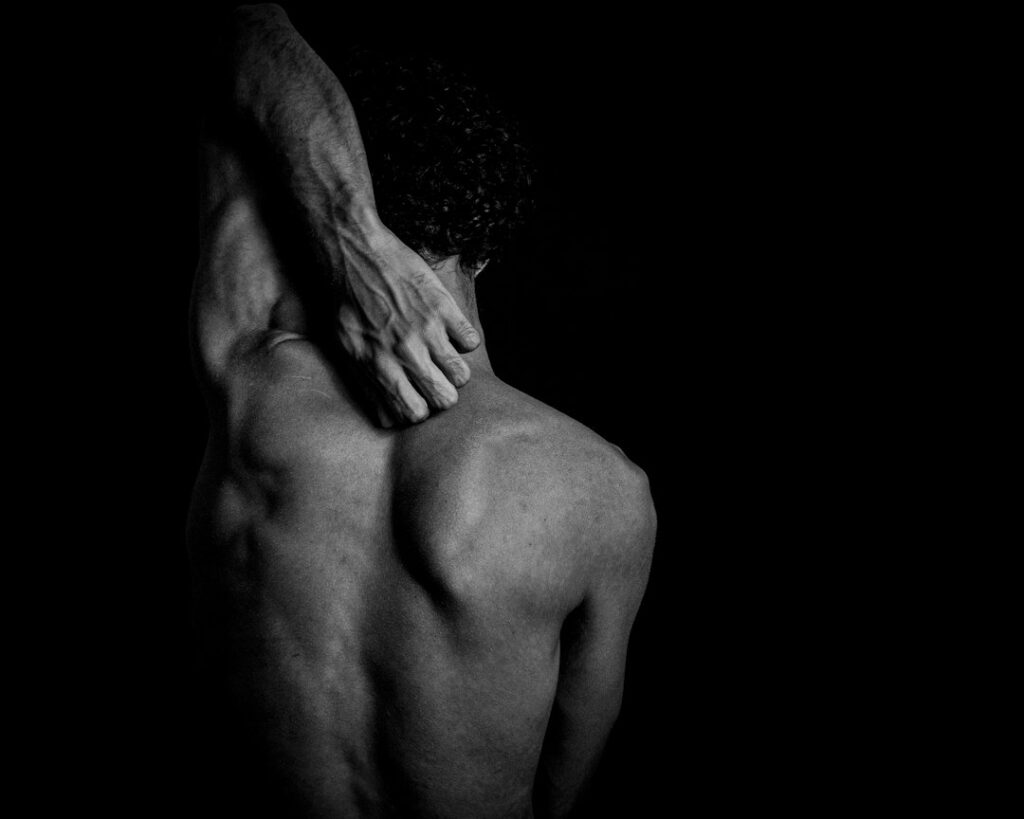
Scoliosis is a sideways curve and rotation of the spine that may develop during childhood, adolescence, or adulthood. Chiropractic care may help some people manage related pain, stiffness, muscle imbalance, or movement limitations, but current evidence does not show that spinal adjustments straighten a scoliosis curve or reliably stop it from progressing.
For residents of Haverstraw, NY, the most useful approach is to understand the difference between managing symptoms and treating the underlying spinal curvature.
What is scoliosis?
Scoliosis is more than a simple posture problem. The spine curves from side to side and may also rotate, which can cause one shoulder blade, hip, or side of the rib cage to appear more prominent than the other.
Scoliosis may be:
- Idiopathic, meaning no specific cause is identified. This is common in adolescents.
- Degenerative, developing in adulthood as spinal joints, discs, and bones change.
- Congenital, related to spinal development before birth.
- Neuromuscular, associated with conditions affecting muscles or nerves.
Some curves are mild and cause no symptoms. Others may contribute to uneven posture, muscle fatigue, back discomfort, reduced flexibility, or difficulty standing for long periods.
A visible curve does not automatically indicate a serious problem. The degree of curvature, the person’s age, whether the spine is still growing, and the presence of pain or nerve symptoms all affect management.
Can chiropractic care correct scoliosis?
Chiropractic adjustments have not been shown to permanently correct the structural curve associated with scoliosis. They also should not be presented as a replacement for monitoring, bracing, scoliosis-specific rehabilitation, or orthopedic care when those treatments are appropriate.
That does not mean chiropractic care has no possible role. Some people experience short-term improvement in:
- Back or neck discomfort
- Joint stiffness
- Muscle tension
- Movement restrictions
- Tolerance for standing, walking, or daily activities
These benefits are better understood as symptom management. An adjustment may influence how certain joints and muscles move, but it does not reshape vertebrae or reliably reduce the measured scoliosis angle.
A careful treatment plan should therefore focus on comfort, mobility, strength, and function rather than promises of “realignment” or a permanent cure.
How might chiropractic treatment help someone with scoliosis?
A chiropractor may evaluate how the spine, pelvis, hips, shoulders, and surrounding muscles work together. Treatment could include gentle manual techniques, mobility exercises, soft-tissue work, posture education, and recommendations for strengthening or activity modification.
For example, an adult with scoliosis may develop additional stiffness after sitting at a desk, driving, lifting, or caring for family members. A movement-based plan may help reduce strain during those activities. Someone who walks frequently, uses stairs, or spends time outdoors during cold weather may also notice that muscle tightness makes symptoms more noticeable.
Treatment should be individualized. A person with a flexible, mild curve and muscular discomfort may need a very different plan from someone with a rigid curve, leg weakness, spinal stenosis, or a history of spinal surgery.
High-velocity manipulation is not automatically appropriate for every person with scoliosis. The technique, force, treatment area, age, bone health, medications, and other medical conditions all matter.
What treatments have stronger evidence for scoliosis management?
The appropriate treatment depends on the person’s age and the size and behavior of the curve.
For growing children and adolescents, observation may be appropriate for a small, stable curve. Bracing may be recommended for certain moderate curves when substantial growth remains. In selected cases, surgery is considered when the curve is severe or continues to progress despite nonoperative care.
For adults, care often focuses on pain, weakness, balance, walking tolerance, and nerve compression. Physical therapy and scoliosis-specific exercises may help improve strength, posture, breathing mechanics, and daily function, although results vary. Medication, injections, or surgery may be considered in more complex cases.
Chiropractic care may fit alongside these approaches when it is directed toward symptoms and function. It should not delay imaging, specialist evaluation, or other treatment intended to monitor or control progression.
When should a person seek medical evaluation?
A new or worsening spinal curve deserves medical assessment, especially when it appears during childhood or adolescence. A clinician may use a physical examination and, when needed, standing X-rays to measure the curve and determine whether it is changing.
Prompt evaluation is particularly important when scoliosis is accompanied by:
- Numbness, tingling, or weakness in an arm or leg
- Pain that is severe, persistent, or worsening
- Difficulty walking or loss of balance
- Changes in bladder or bowel control
- Shortness of breath or reduced exercise tolerance
- Fever, unexplained weight loss, or unusual fatigue
- A rapidly changing appearance of the back
- A significant curve first noticed in adulthood

These symptoms may point to issues other than uncomplicated scoliosis, including nerve compression, infection, fracture, or another spinal condition.
Is chiropractic care safe for children with scoliosis?
Children should not be treated as small adults. Their bones and spines are still developing, and treatment decisions should account for growth, curve size, pain, and the possibility of progression.
There is no good reason to use chiropractic care as a substitute for scoliosis monitoring in a growing child. If manual treatment is considered, parents should understand its intended goal—such as comfort or mobility—and ask how progress will be measured. A plan that claims to straighten the spine without objective measurement should be viewed cautiously.
Children with significant curves, neurological symptoms, unusual pain, or rapid changes should receive evaluation from a qualified medical team familiar with pediatric spinal conditions.
What can people do at home?
Most people with scoliosis can remain active. Walking, swimming, strength training, and other activities may be appropriate when they do not worsen symptoms. Exercise should be introduced gradually, with attention to technique and recovery.
Helpful habits may include:
- Changing position regularly rather than sitting for prolonged periods
- Building core, hip, and upper-back strength gradually
- Using safe lifting mechanics
- Keeping frequently used items within easy reach
- Avoiding bed rest unless specifically advised
- Tracking pain, numbness, weakness, and activity tolerance
- Using extra caution on icy or wet walkways during seasonal weather
Pain that repeatedly returns, interferes with sleep, or limits normal activities should not simply be attributed to scoliosis. A proper assessment can determine whether the curve is involved or whether another condition is responsible.
The practical answer for local residents
Chiropractic care may help some people with scoliosis feel less stiff and function more comfortably, particularly when treatment includes exercise and movement education. It should be viewed as supportive symptom care—not as a proven method for reversing the curve or preventing progression.
The safest plan combines an accurate diagnosis, appropriate monitoring, regular physical activity, and medical or rehabilitative treatment matched to the person’s age, symptoms, and spinal findings.
